Paperwork piles up quickly, and the stress of finding one document is out of proportion to the effort of filing it. A simple system with a few categories is enough for most households. This guide covers what to keep, how to sort and which supplies make it easy.
Decide what to keep
Not everything needs filing. Keep documents you may need later, such as tax records, insurance policies, medical papers, warranties, contracts and important identity documents. Rules on how long to keep records depend on where you live, so check the guidance from your tax authority or an advisor. Recycle or shred junk mail, expired offers and papers you can find online.
Sort into a few categories
Fewer categories are easier to maintain. A simple set might be:
- Money: bank statements, taxes, pay records.
- Home: lease or mortgage, insurance, utility bills.
- Health: medical records and receipts.
- Work or business: contracts, invoices.
- Personal documents: IDs, certificates, passports.
- To act on: papers that need a response.
Choose a storage method
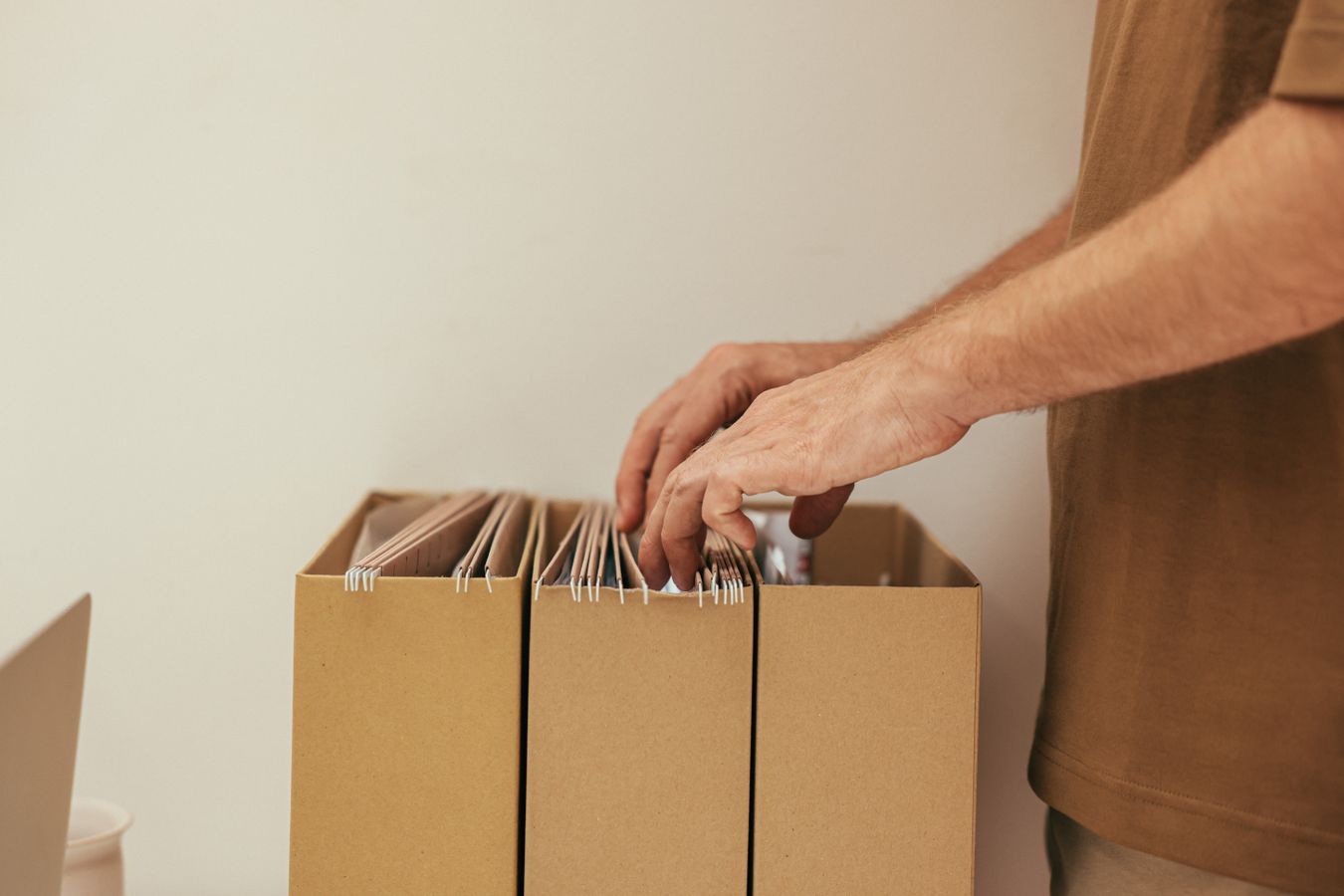
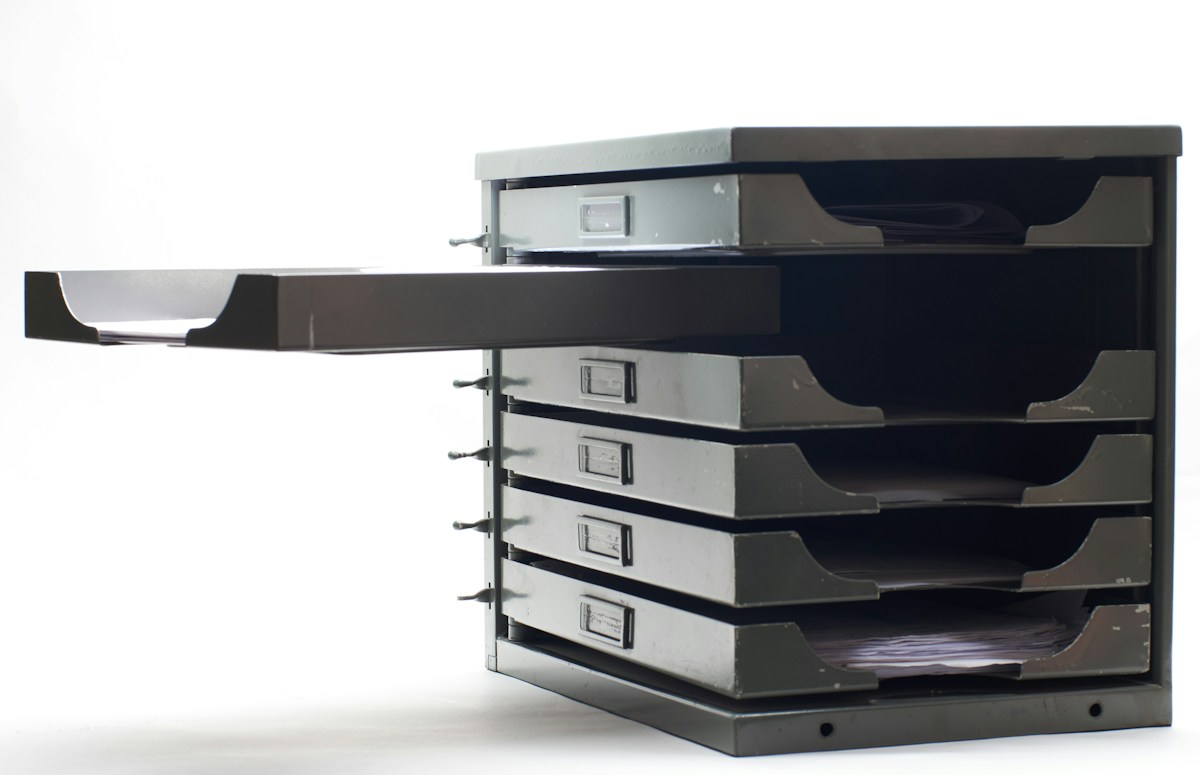
A portable file box with hanging folders suits most small spaces. Desktop drawers and letter trays hold papers by category and keep them in sight. A binder with plastic sleeves works for items you refer to often. Choose a size that fits your desk or shelf.
Label clearly
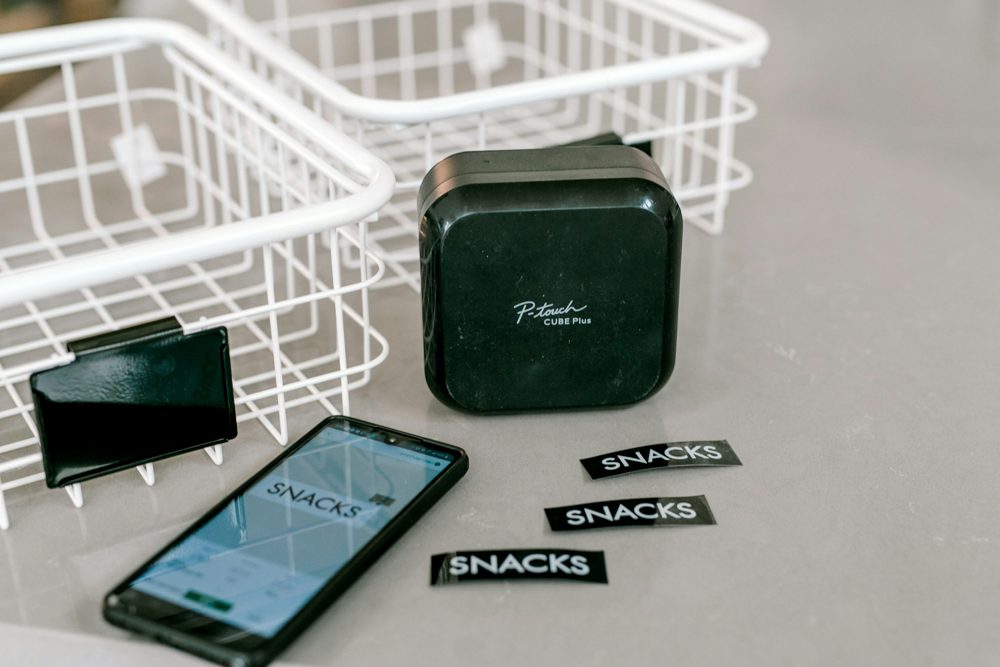
A label maker or clear handwritten tabs help you find folders at a glance. Use the same wording each time. Color-coded folders can speed things up, but only if you keep to the system.
Go digital
Scanning documents saves space, and a phone app is enough for most pages. Keep a backup in a secure place, such as an encrypted drive or a trusted cloud service. Keep original copies of legal documents, even after scanning.
Protect important papers
A fireproof and waterproof box protects the most important papers, such as passports and birth certificates. Store it somewhere you can reach quickly in an emergency, and tell a trusted person where it is.
Shred safely
Shred papers that contain personal or financial details before recycling. A small shredder is enough for home use.
Keep it going
Set aside ten minutes each week to file new papers, and review the box once a year to remove what has expired.