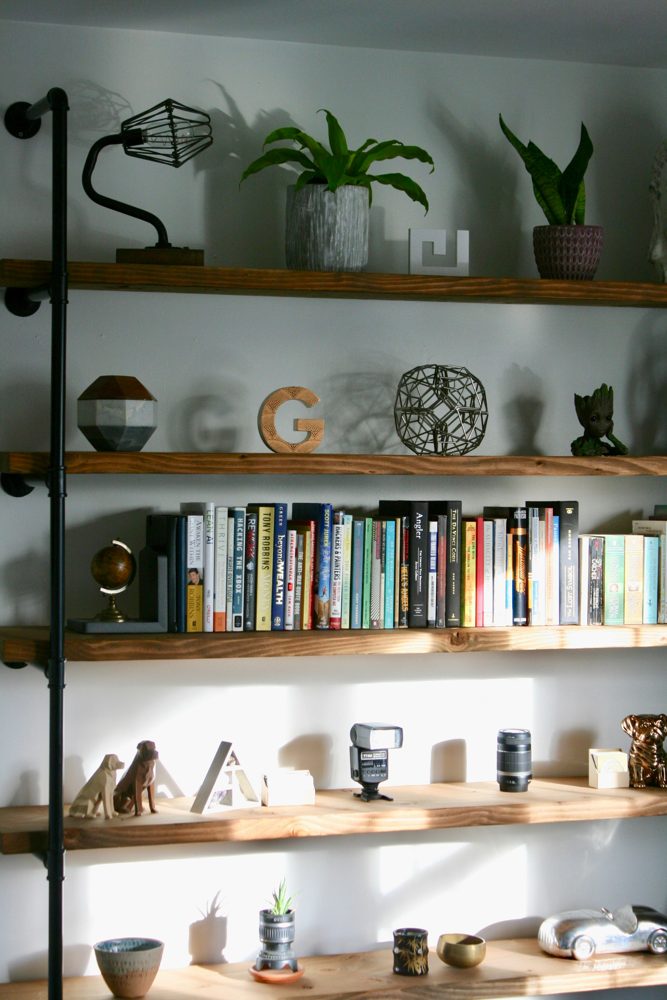
When the floor is taken, the wall is the next place to look. Shelves and wall storage keep books, files and supplies within reach and off the desk. Here is how to choose the right kind and fit it safely.
Floating shelves
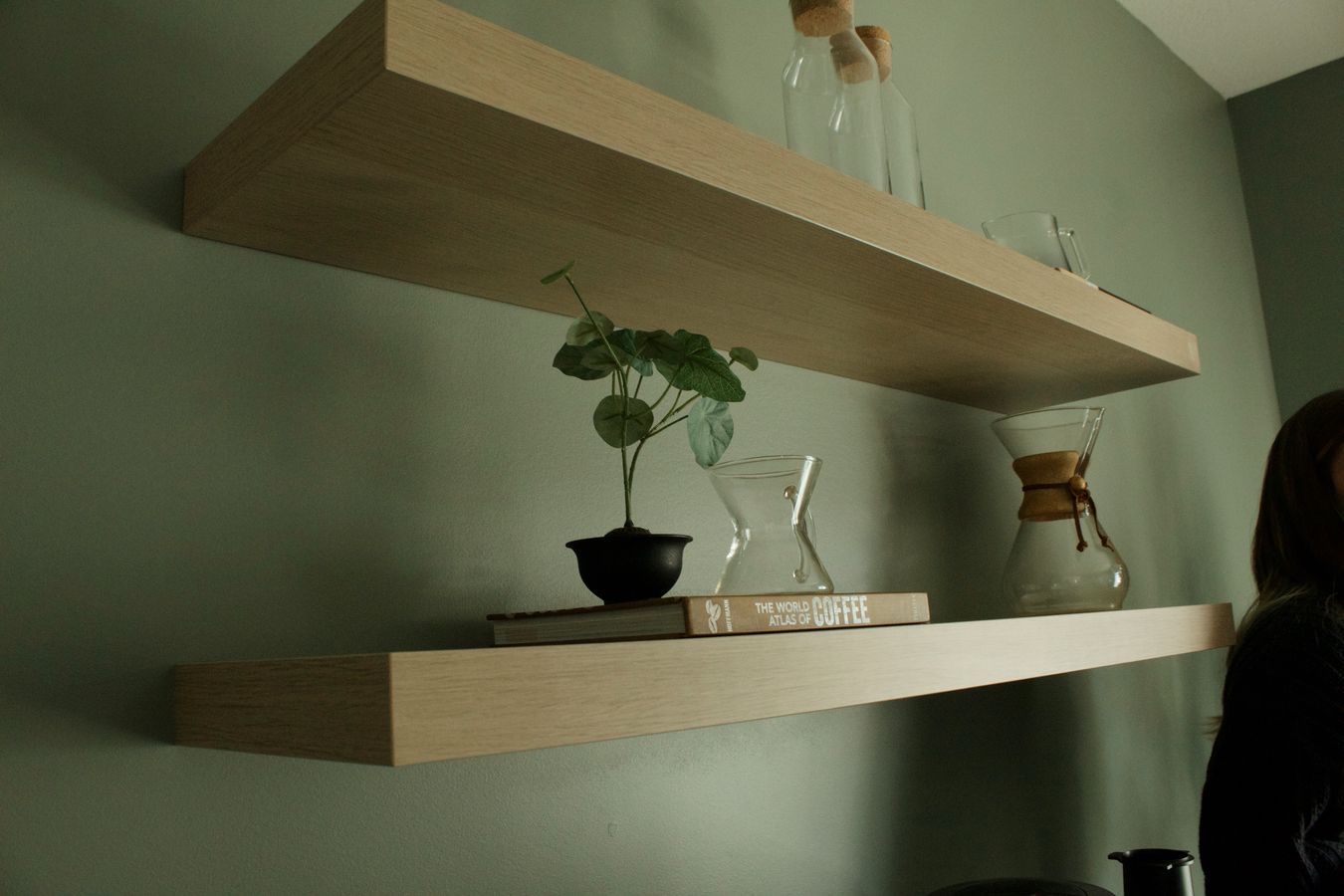
Floating shelves look clean and suit a small room. Check the weight rating and the depth. A depth of 8 to 10 inches holds books and boxes, and shallower ones suit small items. Make sure the brackets are hidden or solid, and that you can fix them into studs or use suitable anchors.
Wall grids and rails
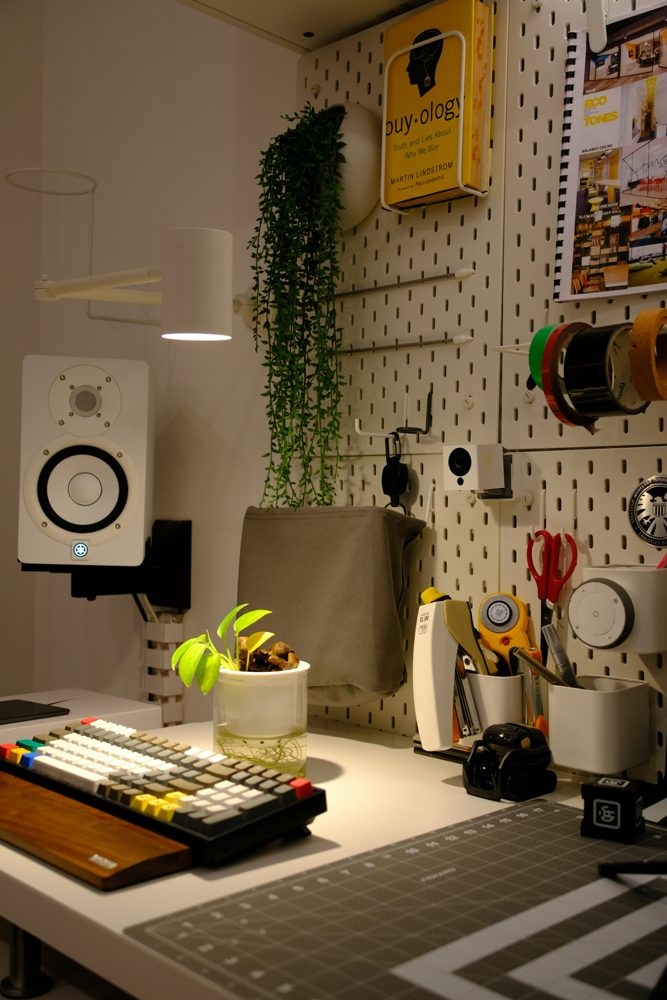
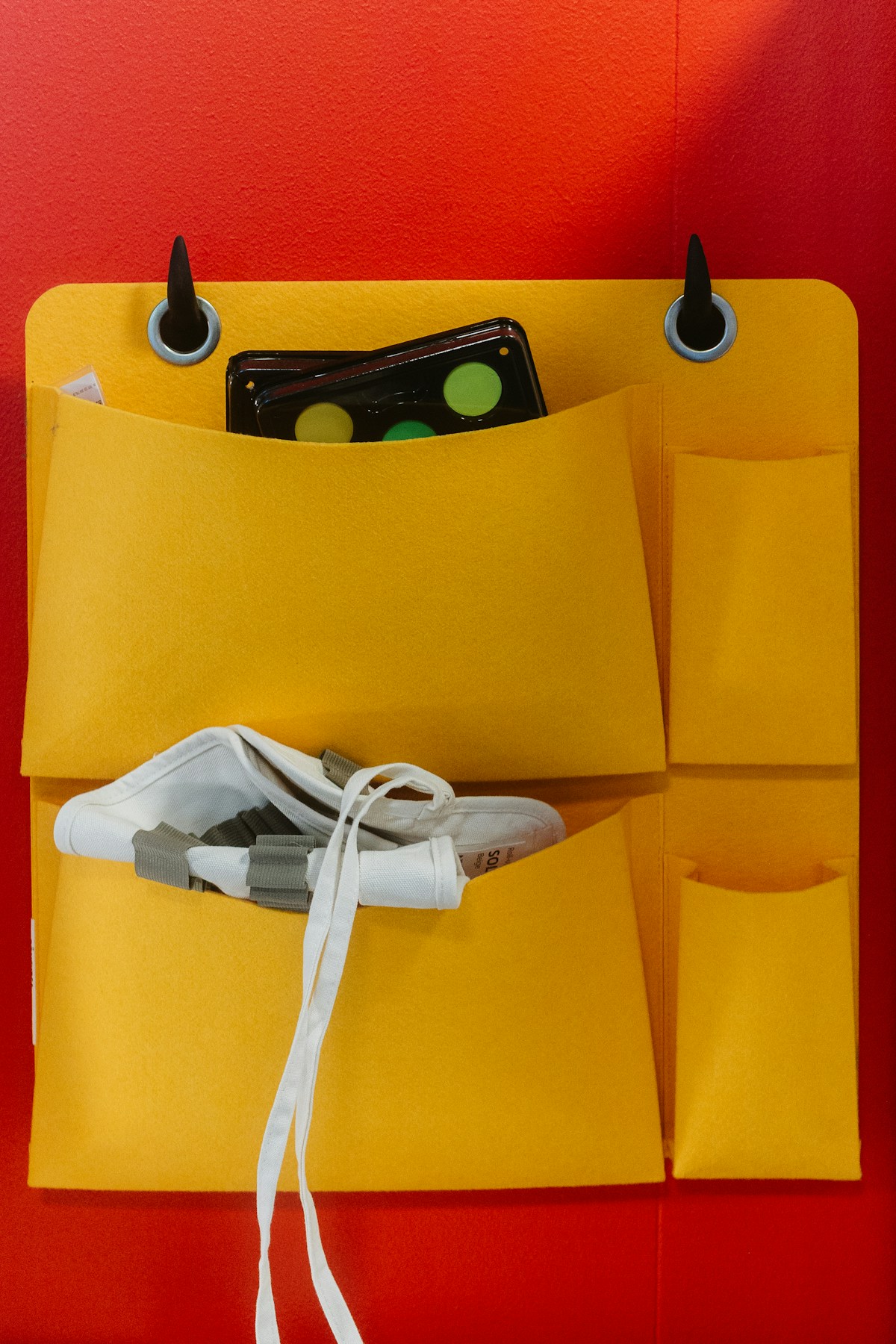
A wall grid or rail system lets you hang baskets, hooks and small shelves, and rearrange them later. This is useful if your needs change. Check the maximum load of each accessory and the total weight of the panel.
Bookcases and cube units
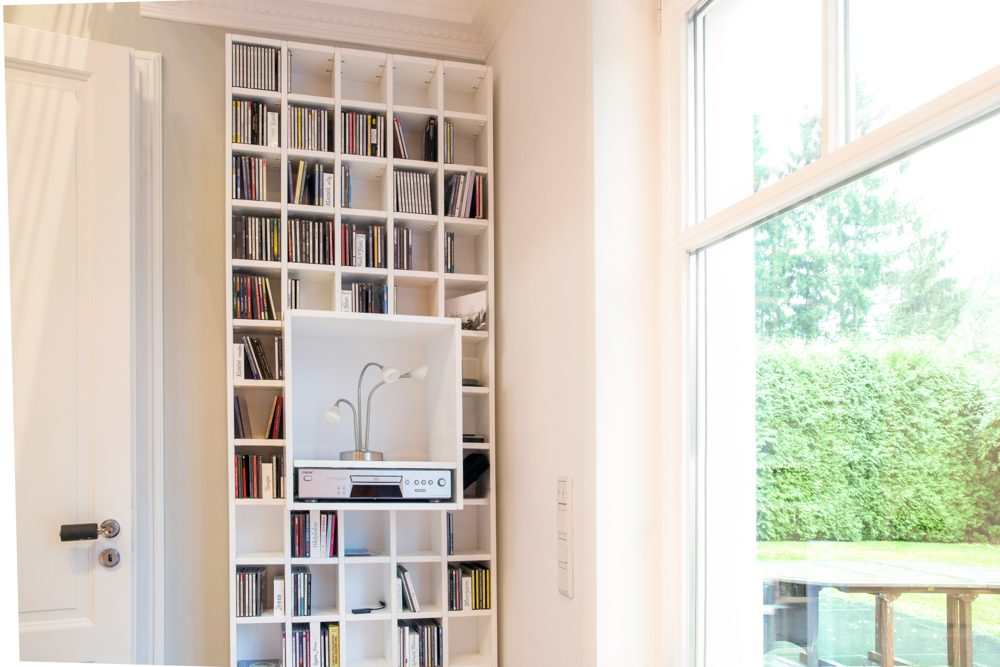
A tall, narrow bookcase uses vertical space with a small footprint. Cube units can take fabric bins that hide clutter. Secure tall furniture to the wall with an anti-tip strap, especially around children and pets.
Over-the-desk storage
A shelf above the monitor or a hutch keeps supplies close without covering the work surface. Leave enough room so you do not hit your head, and keep heavy items low.
Fixing to the wall
Find the studs with a stud finder, and use anchors rated for plasterboard if you cannot. If you rent, check what your lease allows. Use a level and mark the holes before drilling.
Keep it tidy
Group similar items in boxes with labels. Leave some empty space, because a full wall feels cluttered. Put the items you use daily at arm's reach.